

How Professional Driveway Sealing Prevents Moss Growth and Protects Your Property
Why Does Moss Grow on Driveways and Patios?
How Does Local Climate Influence Moss Development?
What Are the Key Benefits of Driveway Sealing for Moss Prevention?
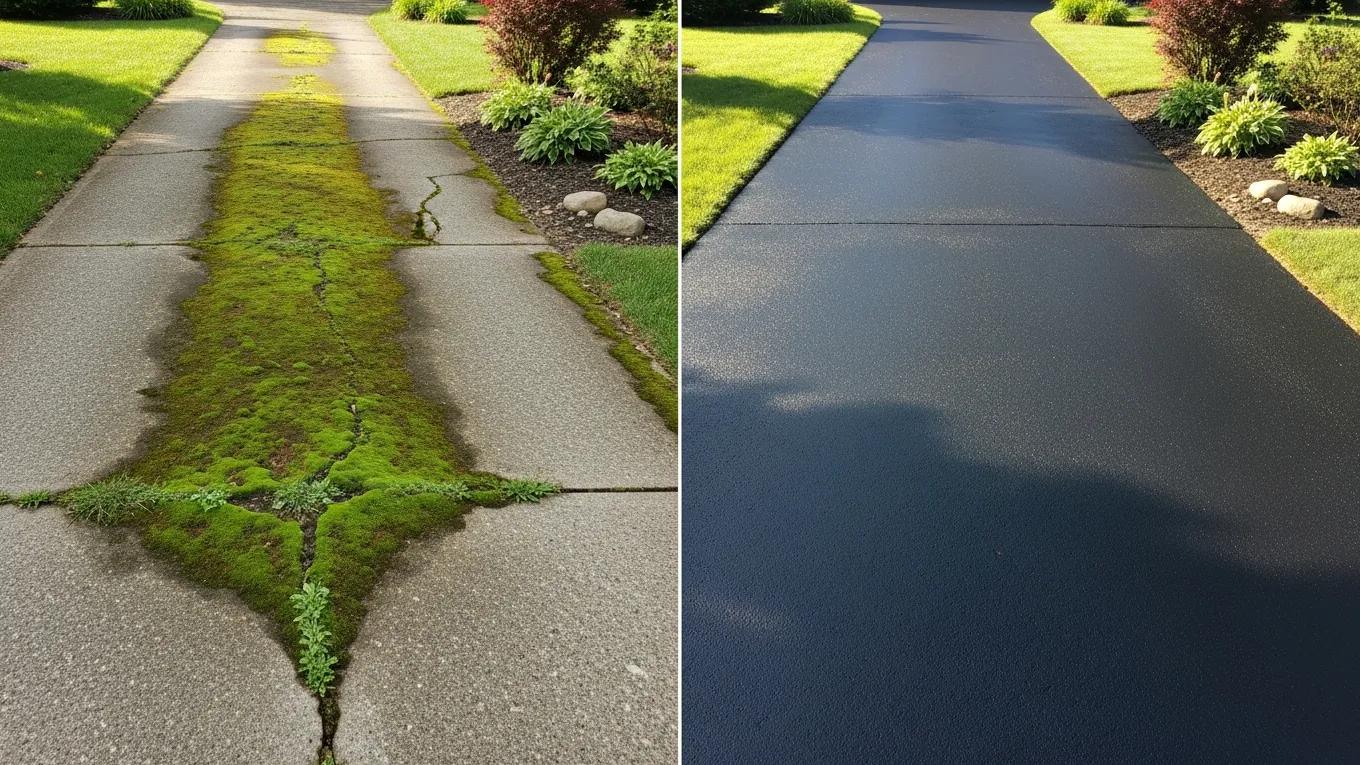
Surface Sealing to Prevent Moss and Vegetation
Permeable Surface Sealing off the top of the porous layer to prevent the of vegetation such as grass or moss. by a single application of binder and a further application of aggregate,
Pavement Repairs in Preparation for a Preventative Maintenance Contract, 2022
- Effectiveness Against Moss: Sealing creates a protective barrier that prevents moisture from penetrating the surface, reducing the likelihood of moss growth.
- Longevity of Driveway: A sealed driveway is less susceptible to damage from water, ice, and UV rays, extending its lifespan.
- Maintenance Advantages: Sealed surfaces are easier to clean and maintain, as dirt and debris are less likely to adhere to the surface.
How Is the Driveway Sealing Process Performed to Prevent Moss?
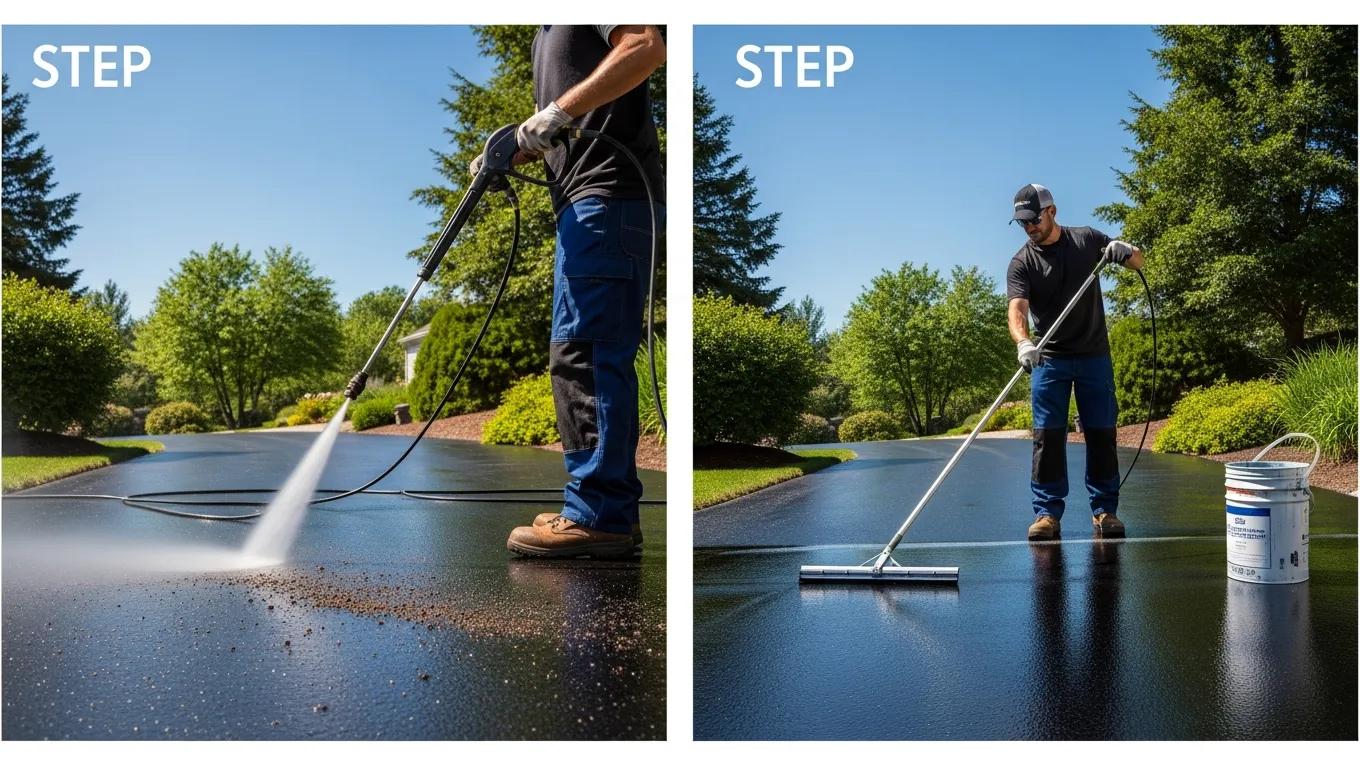
Driveway Sealing & Moss Prevention: Pretreatment Methods
moss removal effort beyond brooming and snow removal. Is this moss growth the result of a failure in the chip sealing pretreatment methods used to remove moss before applying
Preliminary Investigation, 2011
What Are the Step-by-Step Procedures for Effective Sealing?
- Initial Cleaning: Use a pressure washer or stiff broom to remove all dirt, debris, and existing moss from the driveway.
- Drying Time: Allow the driveway to dry for at least 24 hours to ensure the sealant adheres properly.
- Sealant Application: Apply the chosen sealant evenly across the surface, ensuring complete coverage.
- Post-Application Care: Avoid heavy traffic on the driveway for at least 48 hours to allow the sealant to cure effectively.
How to Choose the Right Sealant for Durable Moss Protection?
Enhancing Pavement Seal Coat Performance
by applying aggregate of various types and gradations, (b) cool off the pavement surface by applying has improved seal coat and surface treatment performance such that bleeding and
Maintenance solutions for bleeding and flushed pavements surfaced with a seal coat or surface treatment, S Senadheera, 2007
- Types of Sealants: There are various types of sealants available, including acrylic, polyurethane, and epoxy-based options, each offering different levels of durability and protection.
- Durability Factors: Look for sealants that are specifically designed for outdoor use and can withstand harsh weather conditions.
- Eco-Friendly Options: Consider using eco-friendly sealants that are safe for the environment and do not contain harmful chemicals.
What Maintenance Tips Ensure Lasting Moss Prevention After Sealing?
- Regular Cleaning: Keep the driveway clean by removing leaves, debris, and any standing water that may accumulate.
- Gutter Maintenance: Ensure gutters are clear to prevent water from overflowing onto the driveway.
- Sealant Reapplication: Reseal the driveway every 2-3 years, depending on the type of sealant used and local weather conditions.
How Often Should You Reseal Your Driveway for Optimal Protection?
What Exterior Maintenance Practices Complement Sealing?
- Inspection and Repairs: Regularly inspect the driveway for cracks or damage and repair them promptly to prevent water infiltration.
- Proper Drainage: Ensure that water drains away from the driveway to minimize moisture retention.
- Use of Biocides: Consider applying biocides specifically designed for moss prevention as an additional layer of protection.